
Understanding the Shift to LLM SEO in 2026
LLM SEO is the practice of optimizing your content so that large language models like ChatGPT, Gemini, and Perplexity cite and recommend it in their AI-generated answers.
Quick answer: What is LLM SEO?
- What it is: Optimizing content to appear inside AI-generated responses, not just on search engine results pages
- Why it matters: 40% of users now search through AI tools instead of traditional search engines
- How it differs from traditional SEO: Traditional SEO targets keyword rankings and clicks; LLM SEO targets citations and mentions inside AI answers
- Core tactics: Structured content, schema markup, fresh publishing, AI crawler access, and brand authority building
- Who needs it: Any business that relies on organic search to generate leads and revenue
Search has changed faster in the past two years than in the previous decade.
Users are no longer just typing queries into Google and scanning a list of blue links. Millions of people now open ChatGPT, Perplexity, or Gemini and ask a question in plain language. They get a direct answer. No clicking required.
The numbers tell the story clearly. AI search referrals to U.S. retail sites surged over 1,300% during the 2024 holiday season, according to Adobe Digital Insights. ChatGPT now processes over 2.5 billion prompts daily across more than 400 million weekly active users. And Google’s global search market share has dropped below 90% for the first time since 2015.
For business owners and marketing leaders, this creates a real problem.
Your content might rank well on Google and still be completely invisible to the AI tools your customers are actually using.
That is the gap LLM SEO is designed to close. It is not a replacement for traditional SEO. It is the next layer your strategy needs to stay competitive as search behavior continues to shift toward AI-powered answers.
This guide covers everything you need to know: how LLMs find and use your content, what technical changes to make, how to write content AI will actually cite, and how to measure whether it is working.
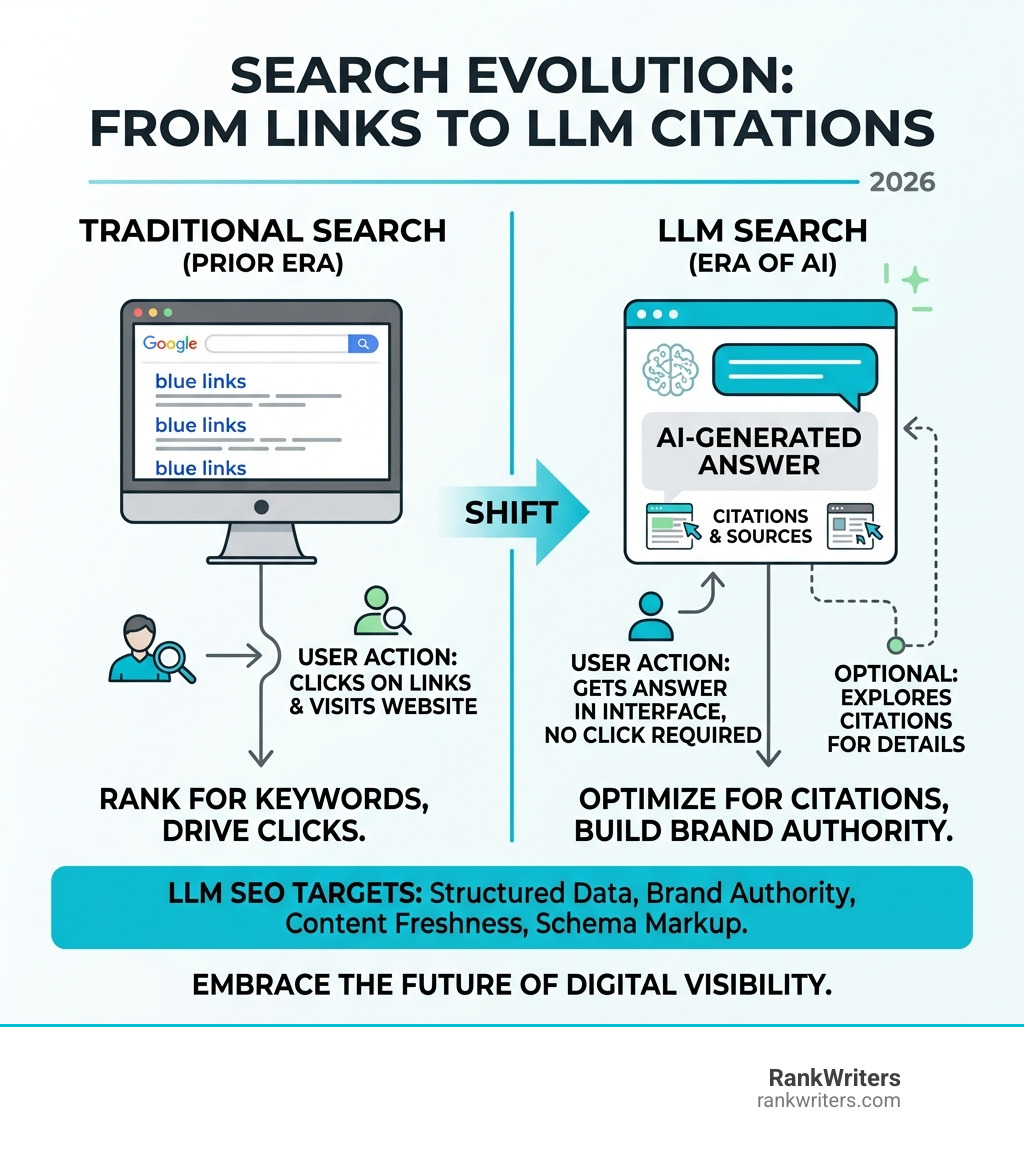
By May 2026, the digital landscape has moved past the experimental phase of artificial intelligence. We are now in an era where LLM SEO is a fundamental requirement for digital survival. Unlike traditional search, which acts as a library index, Large Language Models act as a personal researcher. They don’t just point to a source; they synthesize an answer based on what they have “read” across the web.
This shift has given rise to the concept of zero-click impressions. In this environment, a user gets the answer they need within the chat interface, and while they might not click through to your website, they are still being influenced by your brand’s expertise. Understanding GEO vs SEO is the first step in mastering this new world.
The Rise of Generative Engine Optimization
The migration of consumers is not just a trend; it is a mass movement. People are increasingly turning to AI for product recommendations because it feels more conversational and less like navigating an ad-heavy results page. What is GEO? It stands for Generative Engine Optimization, and it is the process of influencing how these AI systems present your brand.
According to data from Adobe Digital Insights, U.S. retail sites saw a staggering 1,300 percent surge in AI search referrals during the 2024 holiday season. This indicates that even when users don’t click, the ones who do are often high-intent buyers who have already been convinced by the AI’s recommendation. Navigating an AI Search Engine requires a different set of rules than the old playbook.
Why Traditional Search Market Share is Declining
For the first time in over a decade, Google’s grip on the search market is loosening. Statcounter data has shown Google’s worldwide search market share dropping below 90 percent. Meanwhile, ChatGPT is fielding over 2.5 billion prompts daily. The SEO vs GEO vs AEO Difference lies in the destination. While SEO focuses on the SERP, GEO and AEO (Answer Engine Optimization) focus on the generative response.
As Google integrates its own AI Overviews, the traditional “Featured Snippet” is being replaced by AI-generated summaries. This means that even within Google, the logic of LLM SEO is becoming the dominant force. Brands that ignore this risk a 60% drop in organic traffic as users shift their loyalty to more efficient AI tools.
Technical Foundations for LLM SEO Visibility
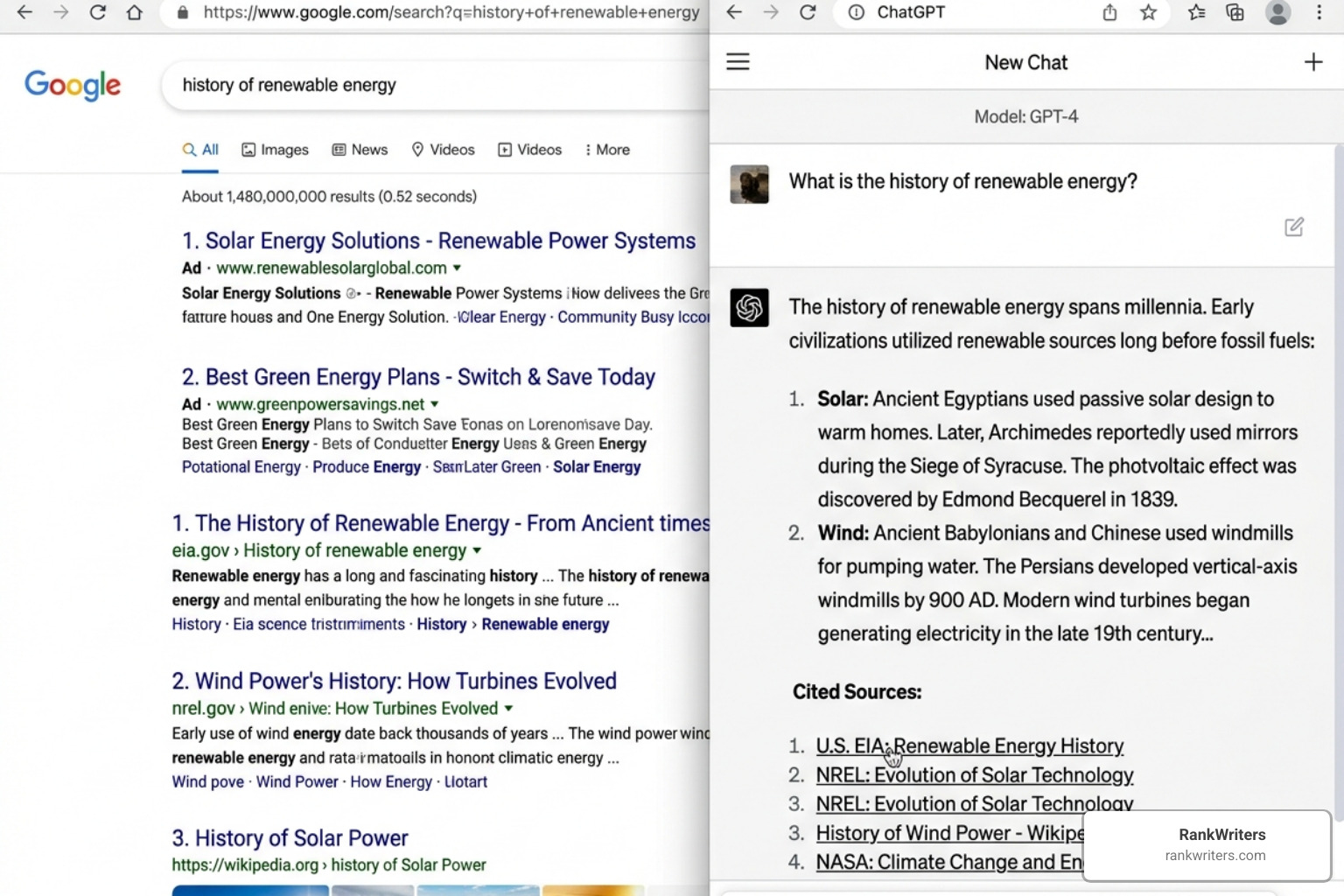
You cannot be cited by a machine that cannot read your site. Technical SEO has always been important, but for LLM SEO, the requirements are more specific. AI crawlers like GPTBot (OpenAI) and PerplexityBot have different behaviors than Googlebot. They are looking for clean, structured data that can be easily parsed and “chunked” into their knowledge bases.
Leveraging Schema Markup for LLM SEO
Schema markup is the “translator” between your human-readable content and the machine-learning models. By using JSON-LD, you provide explicit clues about the meaning of your content. To improve your visibility, focus on these specific types:
- FAQPage Schema: This provides direct question-and-answer pairs that LLMs love to extract.
- HowTo Markup: Perfect for step-by-step guides that AI tools use to answer “how-to” prompts.
- Article Metadata: Ensuring your author, date published, and date modified are clear helps with trustworthiness signals.
For businesses looking to implement these advanced strategies, working with the Best LLM optimization Agencies in Pennsylvania 2026 | Semrush can provide a significant edge in technical execution. Proper formatting for AI search ensures your site isn’t just a collection of words, but a structured database for AI agents.
Optimizing for Retrieval-Augmented Generation
Most modern AI search tools use a process called Retrieval-Augmented Generation (RAG). This means the AI performs a live web search to find current information to answer a user’s prompt. If your site relies heavily on JavaScript to render content, you might be invisible. Most AI crawlers fetch the raw HTML and do not execute complex scripts.
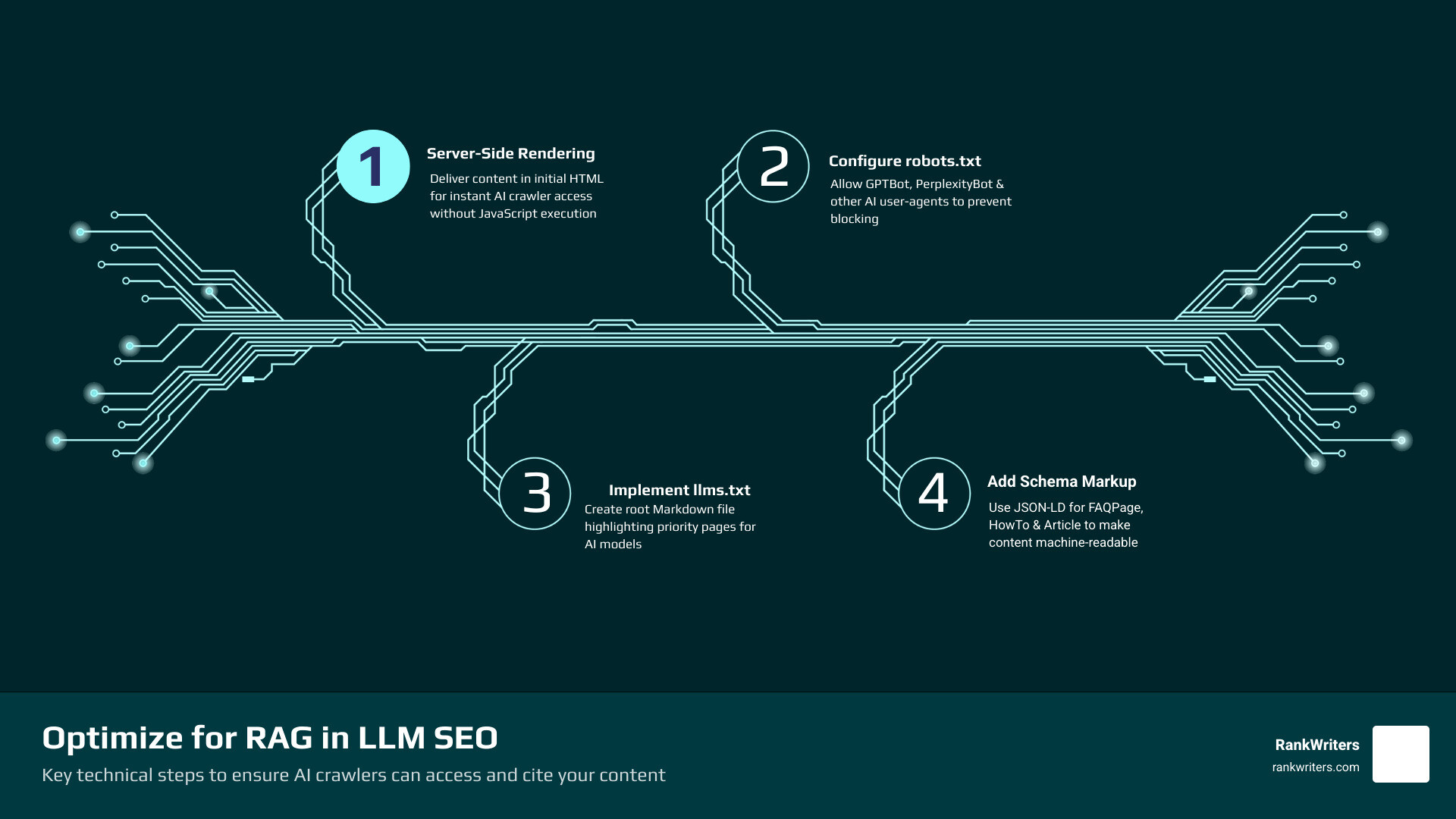
To win in RAG pathways, you must:
- Use Server-Side Rendering (SSR): Ensure your content is in the initial HTML delivery.
- Configure Robots.txt: Explicitly allow AI user-agents so they don’t get blocked by your firewall.
- Implement llms.txt: This is a new standard—a Markdown file in your root directory that tells AI models exactly which pages are most important.
Understanding the intersection of SEO and Machine Learning is vital. If the machine cannot retrieve your data efficiently, it will simply move on to a competitor’s site that is easier to read. Don’t let your brand get left behind because of outdated technical rendering.
Content Strategies to Win AI Citations
In LLM SEO, quality is measured by “extractability” and “information gain.” LLMs don’t want to see the same generic advice repeated a thousand times. They are looking for unique data, expert quotes, and proprietary insights that add something new to their training data or live retrieval.
Targeting Fan-out Queries and Intent Resolution
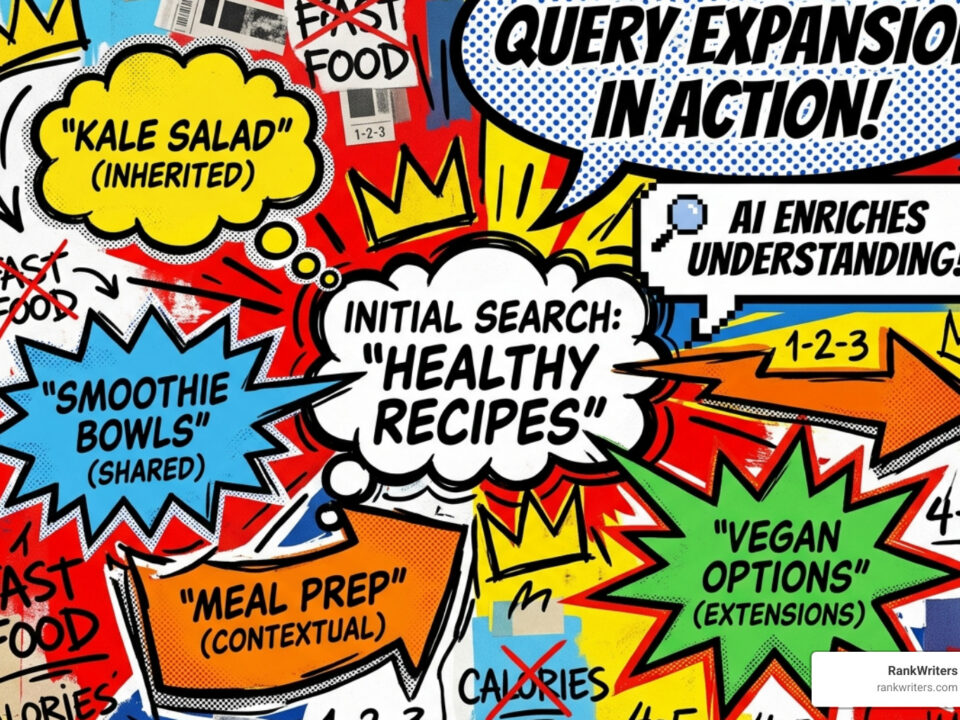
When a user asks a complex question, LLMs often perform “fan-out queries”—breaking one big prompt into several smaller searches to build a comprehensive answer. To capture these, you should write content for AI queries that uses natural, conversational language.
Include “decision-support blocks” in your articles. For example, a section titled “Use X when you need Y, but choose Z if you prioritize A” is a goldmine for an AI trying to help a user make a choice. This directly aids in intent resolution, which is the AI’s ultimate goal. Using an AI SEO Agent can help you identify these long-tail prompt opportunities.
Maintaining Freshness in LLM SEO
Recency bias is a real factor in AI citations. Content that is older than 90 days often sees a sharp decline in being cited by tools like Perplexity or ChatGPT’s search feature. A 90-day refresh cycle is recommended for your top-performing pages. Update your statistics, refresh your examples, and ensure the dateModified schema is current.
Setting up Bing Webmaster Tools is equally important. Since Microsoft powers much of the search functionality within ChatGPT, your ranking on Bing is a direct indicator of your likelihood to be cited in an AI chat. Use a checklist for repurposed content to ensure old assets are polished for the AI era.
Strategic Insights for Mortgage Lenders and IMBs
For mortgage lenders and Independent Mortgage Banks (IMBs), the stakes are high. Borrowers are increasingly asking AI tools questions like “What are the current mortgage rates in Pennsylvania?” or “How do I qualify for an FHA loan?”
If you are an IMB, your content must be authoritative and factually dense. AI models prioritize accuracy above all else for financial topics. By providing clear, structured answers to borrower intent, you can outsmart larger giants. For a deeper dive, see our guide on AI Search and SEO for Mortgage Lenders 2026.
Measuring Success in the Generative Era
How do you know if your LLM SEO efforts are paying off? Traditional metrics like “keyword position” are becoming less relevant because AI responses are non-deterministic—they change slightly every time. Instead, we look at “Share of Voice” and “Citation Frequency.”
| Metric | Traditional SEO | LLM SEO |
|---|---|---|
| Primary Goal | Rank #1 for a keyword | Get cited as a top source |
| KPI | Click-Through Rate (CTR) | Share of Voice (SOV) in AI answers |
| Visibility | Blue links on Page 1 | Mentions in synthesized summaries |
| Tracking Tool | Google Search Console | AI Visibility Audits / Manual Prompts |
| Success Signal | Organic Traffic | Branded Search & Direct Referrals |
Tracking your AI content quality and performing a regular SEO AI Search Audit is the only way to stay ahead of the curve.
Tracking Brand Mentions and Branded Search
In the age of LLMs, unlinked brand mentions carry significant weight. If your company is frequently mentioned on Reddit, industry forums, or in news articles, the AI learns to associate your brand with specific expertise. This builds a brand-to-entity connection that is harder to manipulate than a simple backlink.
Focus on getting your brand mentioned in third-party spaces. This “Search Everywhere” approach ensures that when an AI scans the web for the “best SEO agency in Pennsylvania,” your name appears across multiple high-authority sources. For local businesses in Greensburg or Westmoreland County, maintaining a strong presence on regional sites like Westmoreland Digital can bolster these local entity signals.
Frequently Asked Questions about LLM SEO
Why should I avoid AI-generated content for LLM SEO?
It might seem ironic, but using AI to write content intended for AI citation is a recipe for failure. This leads to “model collapse,” where LLMs begin to degrade because they are learning from other AI-generated garbage rather than fresh, human insights. Google’s guidance emphasizes high-quality, people-first content. AI models crave “Information Gain”—the unique data and perspectives that only a human expert can provide.
How does Bing impact ChatGPT rankings?
Bing is the backbone of ChatGPT’s live search capabilities. If you want to be the source that ChatGPT cites when it searches the web, you must rank well in Bing’s index. This makes Bing Webmaster Tools just as important as Google Search Console for modern marketers. Many businesses find that ChatGPT is good for SEO traffic only if they have first mastered the basics of Bing indexing.
What are the most common mistakes in LLM SEO?
The biggest mistake is blocking AI bots in your robots.txt file out of fear. While protecting your IP is important, blocking these bots makes you invisible to the millions of people using AI search. Other common failures include relying on JavaScript-heavy designs that crawlers can’t read and using vague, “clever” headers instead of descriptive, NLP-friendly ones. As many have learned, you shouldn’t stake your job on AI without a human-led strategy to back it up.
Conclusion
The rise of LLM SEO represents a fundamental shift in how information is discovered and consumed. By 2026, the companies that thrive will be those that treat AI models as their most important “readers.”
RankWriters offers a systematic, systematic approach to this new reality. By combining traditional SEO with the technical and strategic requirements of AEO and GEO, they help brands build a future-proof presence. Whether you are a mortgage lender looking for borrowers or a local Pennsylvania business aiming for national visibility, the goal remains the same: become the answer the AI provides.
Don’t wait for your organic traffic to disappear. Start optimizing for the generative era today. For more information on how to adapt your strategy, explore our SEO services and stay ahead of the AI revolution.