

In fall 2025, brands mastered the balance between AI-driven precision and storytelling to create campaigns that stood out. From Apple’s practical tech upgrades to Patagonia’s repair-focused initiative, these campaigns emphasized emotional connections and seasonal relevance. Six key strategies emerged:
- Nostalgia and storytelling: Starbucks paired drinks with autumn-inspired stories, while LEGO connected its products to entertainment themes.
- Unexpected partnerships: NikeSKIMS and Adidas × Wales Bonner collaborations merged performance and style with emotional appeal.
- Purpose-driven approaches: Patagonia focused on gear repair over sales, reinforcing its commitment to long-term impact.
- AI-powered personalization: Amazon and Google used AI to tailor experiences, enhancing customer engagement.
- Blending online and offline: Meta and Microsoft integrated hands-on experiences with digital campaigns.
- Seasonal timing: Campaigns aligned with fall moments, like back-to-school and holiday prep, to resonate with audiences.
These campaigns demonstrated that while AI enhances strategy, emotional intelligence and storytelling remain irreplaceable for connecting with audiences. The takeaway? Technology amplifies ideas, but human insight drives success.
The #1 AI Creative Strategy That Helped This Agency Scale to 2k+ Ads Per Month
1. Apple – iPhone 17 Everyday Upgrades

Apple’s fall 2025 campaign for the iPhone 17 focused on the kind of upgrades that truly matter – those that make day-to-day life easier and more enjoyable. Instead of leaning on flashy specs or over-the-top features, the campaign highlighted subtle improvements that seamlessly fit into everyday routines. It was a perfect blend of practicality and lifestyle appeal.
Timing and Relevance
Apple launched the campaign in early September 2025, a strategic move to align with the back-to-school season and the start of holiday shopping. This timing ensured the message resonated with consumers during pivotal moments in their yearly planning.
New Use of AI or Technology
A standout aspect of the campaign was the introduction of an AI-driven experience designed to integrate effortlessly into daily life. The focus wasn’t on showcasing technology for the sake of it but on delivering intuitive assistance that felt natural and genuinely useful.
Emotional Connection with Consumers
At its core, the campaign aimed to connect with consumers on a personal level. By showcasing everyday moments – like capturing family photos or managing tasks on the go – it emphasized how small, thoughtful improvements can have a meaningful impact on daily life.
Combining Online and Offline Experiences
To bring the campaign to life, Apple paired its digital storytelling with hands-on experiences in cities across the U.S. These interactive events allowed people to explore the phone’s new features in real-world scenarios, bridging the gap between online buzz and in-person discovery.
2. Google – Pixel 10 “AI You Can See”
Google’s Pixel 10 campaign highlighted how artificial intelligence can transform photography, communication, and everyday tasks. By showcasing practical applications, the campaign effectively introduced AI as a tool that enhances daily life.
Timing and Relevance
The Pixel 10 launched in October 2025, aligning perfectly with the season of outdoor gatherings and increased photo-sharing. This timing made the campaign feel especially relevant, tapping into moments when people naturally connect and capture memories.
Showcasing AI in Action
The campaign featured a real-time AI visualization that demonstrated how the technology could instantly adjust lighting and focus. By making these enhancements visible, Google simplified the concept of AI, helping users understand its impact and building trust in the technology.
Building an Emotional Connection
Through relatable scenarios like family video calls and group projects, the campaign framed AI as a helpful companion rather than an intimidating tool. This approach reduced tech-related anxieties, presenting AI as something that empowers rather than overwhelms.
Combining Online and Offline Engagement
Google created interactive experiences both online and in major cities, allowing users to test the Pixel 10’s AI-driven photo features firsthand. These demos provided an immersive way for people to see the technology in action and share their experiences, blending digital and real-world interactions seamlessly.
3. Meta – Smart Glasses Mainstream Demo
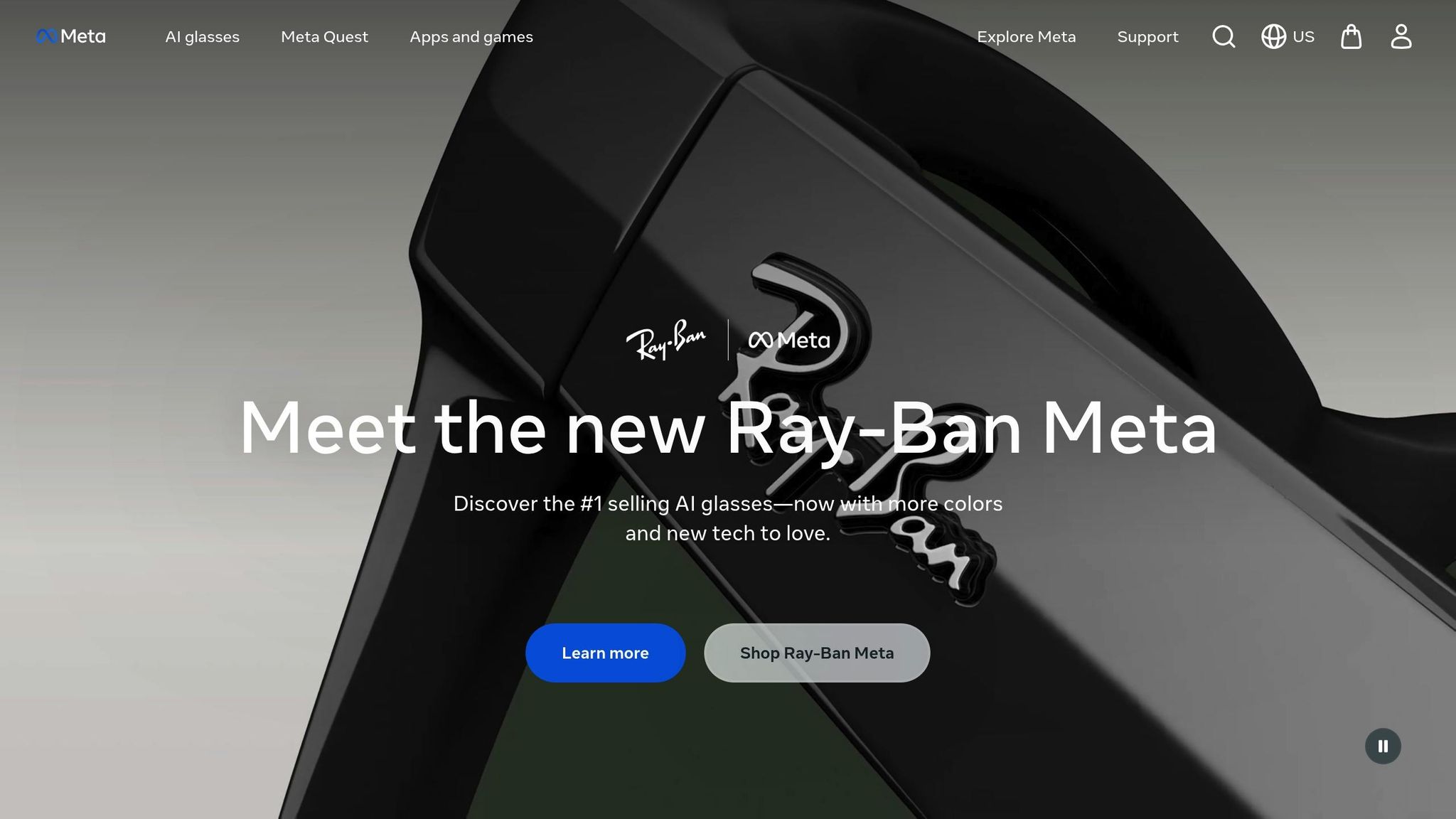
Meta’s Ray-Ban smart glasses campaign reshaped how wearable tech is perceived, presenting it as a seamless part of daily life rather than a flashy, futuristic gadget. The focus was on how these glasses could effortlessly fit into everyday moments, making technology feel natural and accessible.
Timing and Relevance
The campaign debuted in September 2025, aligning perfectly with the return of outdoor activities and in-person events. This timing made the glasses’ social features especially appealing, as people were eager to capture hands-free memories while staying active outdoors.
New Use of AI or Technology
Meta introduced groundbreaking features that set these glasses apart. Voice-activated AI allowed users to get hands-free directions, real-time translations, and even identify objects in their surroundings. The standout feature? Contextual insights that provided instant information about what users were looking at. This was a major step forward from earlier smart glasses, which primarily focused on recording and photography.
Emotional Connection with Consumers
Instead of relying on technical jargon, the campaign highlighted relatable, everyday moments. Parents at soccer games, travelers navigating new cities, and friends sharing experiences were all featured to show how the glasses could enhance life without adding digital distractions. Meta framed the glasses as a tool to stay engaged with the world around you, addressing concerns about excessive screen time and digital fatigue. It was a message that resonated with those seeking balance in their tech use.
Combining Online and Offline Experiences
Meta extended the campaign by blending digital and real-world interactions. They set up pop-up experience centers in cities like New York, Los Angeles, and Chicago, where visitors could try the glasses in practical settings. These centers included guided tours, cooking demos, and art installations that highlighted the glasses’ AI features. Online, Meta launched a “See What I See” social campaign, encouraging early adopters to share moments captured through the glasses. This user-generated content showcased the product’s value in authentic, everyday scenarios, moving beyond staged ads to real-life applications.
4. Amazon – Prime Big Deal Days (October)

In 2025, Amazon gave its October Prime Big Deal Days a fresh twist. Instead of focusing solely on massive discounts, the event embraced a more personalized and curated shopping experience that captured the essence of the fall season. This shift combined cutting-edge technology with a deeper connection to shoppers’ emotions.
Timing and Relevance
Positioned as a kickoff to holiday shopping, this event encouraged shoppers to plan their purchases thoughtfully. By spotlighting handpicked gift ideas and seasonal updates, Amazon created a sense of purpose and anticipation, perfectly aligned with the early holiday buzz.
New Use of AI or Technology
Amazon leaned into advanced AI to transform the shopping experience. These tools analyzed customer data and seasonal trends to offer highly tailored product recommendations, making it easier for shoppers to discover items that matched their preferences and needs.
Emotional Connection with Consumers
Instead of relying on price cuts to capture attention, Amazon focused on messaging that resonated with the season’s cozy and meaningful vibe. Curated deals were framed as opportunities to create warm, memorable moments, aligning with customers’ fall aspirations.
Combining Online and Offline Experiences
Amazon took the experience beyond the screen by integrating digital features with local community events. This blend of online convenience and in-person interaction added a unique touch, creating a buzz that made the event feel both personal and engaging.
5. NikeSKIMS – Athlete-Led Fall Drop
The partnership between Nike and SKIMS created a standout moment in fall 2025 fashion. This collaboration brought together two iconic brands to deliver a collection that merged athletic performance with everyday comfort, all while highlighting female athletes as the heart of the campaign.
The campaign showcased real athletes in motion – from professional basketball players to weekend runners – demonstrating how the collection performed in practical, athletic settings.
Perfect Timing for Maximum Impact
The launch was strategically planned to hit in early October, making it ideal for the back-to-school season. This timing appealed to consumers looking for versatile pieces that worked just as well for gym sessions as they did for casual fall outings. The collaboration tapped into the ongoing popularity of athleisure, especially among women seeking comfortable, stylish options to match their active lifestyles.
The release also aligned with the start of major sports events, like the WNBA playoffs and college basketball season, creating natural connections with the athletic community that both brands aimed to engage.
Building an Emotional Connection
Instead of focusing solely on product details, the campaign emphasized empowerment and authenticity. It resonated with consumers who were tired of unrealistic beauty standards in fashion. By featuring women of different body types, ethnicities, and athletic abilities, the campaign redefined what performance and style could look like.
The core message was simple yet powerful: performance and style can coexist. This struck a chord with modern women who wanted clothing that could seamlessly transition from morning workouts to work meetings and even evening plans.
Blending Online and Offline Experiences
To strengthen the personal connection, the brands hosted pop-up events in cities like Los Angeles, New York, and Chicago. These events allowed customers to try on pieces and participate in short workout sessions led by local trainers, creating a community-focused vibe rather than a typical retail experience.
Online, the campaign leaned heavily on user-generated content, with authentic testimonials spreading across social media and amplifying the message.
Additionally, exclusive early access was offered to members of both brands’ loyalty programs. This approach not only rewarded loyal customers but also fostered a sense of community, driving engagement both online and in physical stores.
6. Starbucks – Fall 2025 Menu Storytelling
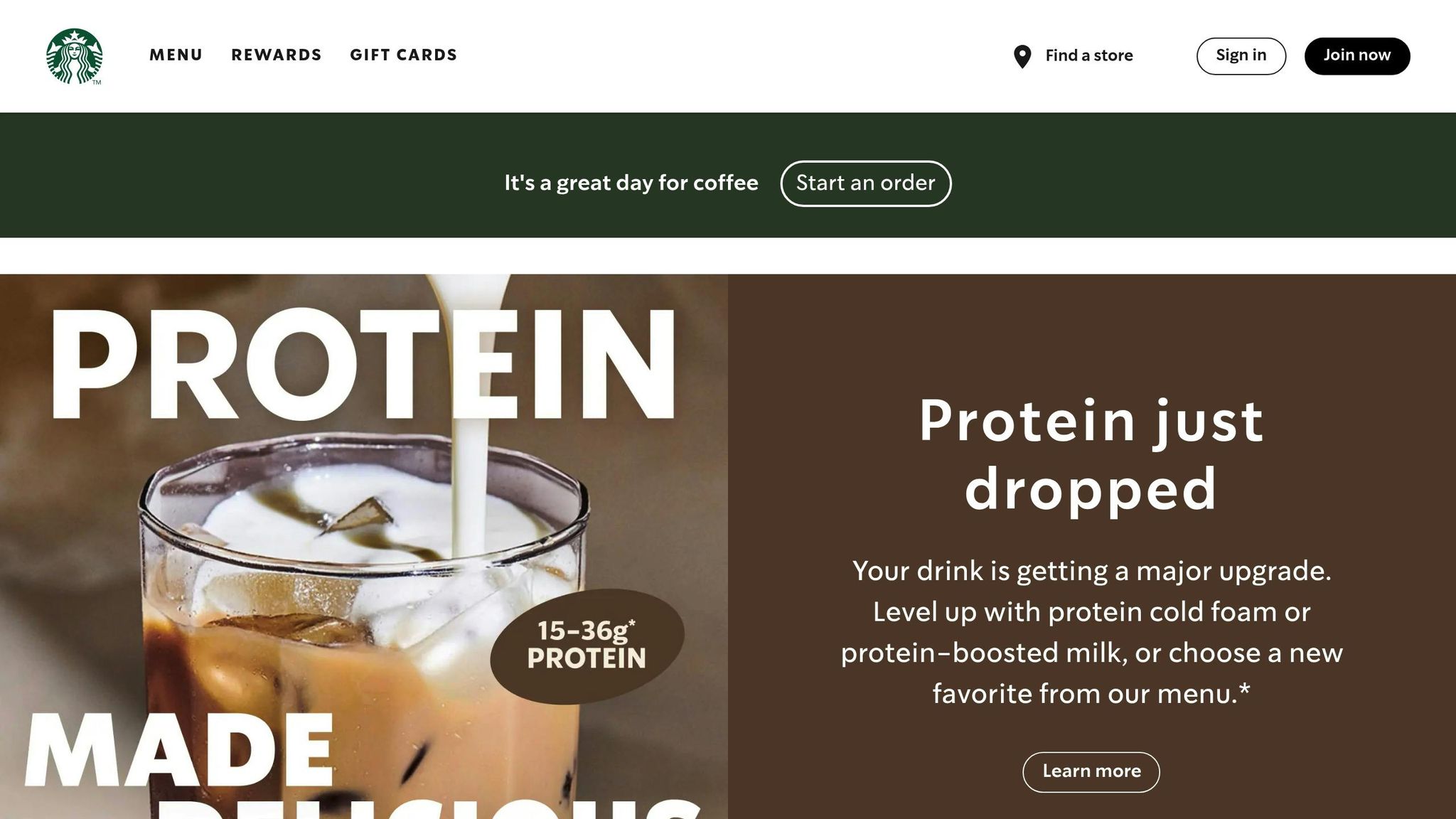
Starbucks gave its fall menu a fresh twist by pairing each seasonal drink with a story that captured the spirit of autumn. The idea was to invite customers to not just enjoy their favorite beverages but to feel connected to the cozy, nostalgic vibe of the season.
Timing and Relevance
The campaign kicked off in early fall, perfectly timed with the back-to-school rush and the lead-up to the holiday season. By tapping into these familiar seasonal moments, Starbucks shifted the focus from just promoting products to creating experiences people could relate to. This approach aligned with a growing trend in marketing – moving beyond features to delivering moments people remember.
Use of Technology
Starbucks used digital tools to make the storytelling personal. By analyzing customer preferences, they tailored the narratives to match individual tastes. This data-driven approach allowed the brand to adjust and refine the stories in real time, ensuring they resonated with a broad audience.
Emotional Connection and Integrated Experiences
The campaign stood out by creating a strong emotional bond with customers. From in-store decorations to digital extensions, Starbucks made sure the seasonal theme was woven into every interaction. Limited-edition merchandise added another layer, giving fans a way to carry a piece of the fall magic with them even after leaving the store.
7. Microsoft – Copilot Everyday Assists
Microsoft’s fall campaign took a fresh approach, presenting Copilot not just as a business tool but as a helpful companion for everyday life. The focus was on seamlessly fitting into daily routines to keep users on top of their tasks. This shift in perspective laid the groundwork for a well-timed launch.
Timing and Relevance
The campaign debuted in September 2025, perfectly aligning with the back-to-school buzz and early holiday preparations. By addressing the seasonal hustle, it struck a chord with people eager to simplify their packed schedules.
Simplifying Daily Life
A key message of the campaign was how Copilot could provide smarter, more tailored support. It highlighted Copilot’s ability to adapt to individual needs, making everyday tasks more manageable and less stressful.
Connecting Through Real-Life Stories
Microsoft used relatable examples to show how Copilot could make life easier. By sharing user stories, they built trust and demonstrated the tool’s practical value in real-world scenarios.
Bringing Technology to Life
To engage people both online and offline, Microsoft paired digital demos with live events. These experiences allowed users to interact directly with Copilot, bridging the gap between technology and daily life in a hands-on way.
sbb-itb-16c0a3c
8. Patagonia – Repair Programming & Sustainability
Patagonia’s fall campaign took a refreshing turn by focusing less on selling new products and more on helping customers repair and maintain their existing gear. This approach highlighted the brand’s deep commitment to environmental responsibility.
Timing and Relevance
Launched in early October 2025, the campaign was perfectly timed to connect with outdoor enthusiasts preparing for the winter season. By aligning with their customers’ seasonal needs, Patagonia made the message even more impactful.
Community Engagement and Digital Support
At the heart of the campaign were in-person repair events, including local workshops and repair cafés. These gatherings offered hands-on lessons in gear maintenance, creating a sense of community while teaching practical skills. To complement these efforts, Patagonia provided digital resources packed with repair tips, ensuring that even those who couldn’t attend in person could still participate.
Highlighting Environmental Responsibility
The campaign drove home a simple yet powerful message: repairing gear not only extends its life but also significantly cuts down on waste. By making this connection clear, Patagonia showed how individual actions could contribute to a healthier planet.
This initiative was a great example of how a brand can stay true to its core values, strengthen customer loyalty, and inspire meaningful environmental action – all at the same time.
9. LEGO – Entertainment Crossovers & Build-Through Content
In fall 2025, LEGO took a creative step forward by blending its iconic building experience with modern storytelling. The campaign introduced entertainment-themed sets, encouraging fans to not just construct models but to craft entire stories around them.
This approach tapped into seasonal trends, timing product launches to coincide with major entertainment events. To enhance the experience, LEGO added digital components, inviting fans to interact both online and in-person, making the campaign a dynamic mix of play and storytelling.
10. Adidas × Wales Bonner – Heritage Meets Performance
Adidas teamed up with Grace Wales Bonner to create a collection that beautifully combined athletic performance with a deep respect for cultural heritage. This collaboration brought together traditional design elements and modern sportswear, resonating with consumers who value meaningful stories behind the products they choose. It perfectly captured the season’s overarching theme of blending nostalgia with forward-thinking innovation.
The campaign took a dynamic approach by weaving creative digital storytelling with carefully curated in-person experiences. This combination highlighted how honoring heritage while embracing performance can shape a powerful brand narrative. By balancing digital engagement with real-world connections, the campaign underscored an important truth: creativity and staying genuine are essential, even in a world increasingly shaped by AI.
Campaign Strategies Behind the Success
Looking at the standout campaigns from fall 2025, it’s clear that a mix of creativity and emotional insight powered their success. Even in a world increasingly shaped by AI, human creativity and emotional intelligence were at the heart of these memorable marketing efforts.
One of the most impactful tactics was cross-industry partnerships. Take the NikeSKIMS collaboration, for example. This wasn’t just about putting two logos on a product – it was about uniting audiences by focusing on shared values and complementary strengths. This approach created something fresh and exciting, setting the stage for other strategies like scarcity marketing and pop culture tie-ins.
Limited-edition drops and scarcity marketing were another major trend. These campaigns thrived by creating a sense of exclusivity, making customers feel like they were part of something special. It’s that “get it before it’s gone” mentality that drives excitement and engagement.
Tapping into pop culture and streaming events also proved incredibly effective. These campaigns didn’t just tell stories – they invited consumers to be part of them. By creating opportunities for participation, brands transformed passive viewers into active participants.
A big win came from blending digital and physical experiences with genuine user involvement. For instance, Meta’s Smart Glasses campaign encouraged users to share their real-world experiences. These personal stories felt more authentic than traditional ads and resonated deeply with audiences. By using an omnichannel approach, brands ensured consistent messaging across all touchpoints, whether online or offline.
Timing was another critical factor. Aligning campaigns with seasonal emotions and cultural moments amplified their impact. By syncing with what people were already feeling and experiencing, these brands made their messages more relevant and powerful.
Finally, these campaigns excelled at personalization without losing the human element. They used data to target audiences effectively but paired it with bold, creative choices. Instead of focusing on product features or technical details, the best campaigns led with emotions, memories, and aspirations. In a world overwhelmed with information, brands that connected on a deeper, emotional level stood out.
These strategies highlight a simple truth: while tools and technology evolve, understanding people – their feelings, desires, and context – remains the foundation of great marketing.
What Worked and Why
Looking at the strategies behind these campaigns, it’s clear why they stood out. Fall 2025 campaigns succeeded because they prioritized emotional connections over simply showcasing products. Instead of focusing on features or specs, brands like Apple and Starbucks highlighted how their products fit seamlessly into people’s lives and seasonal routines. This approach resonated deeply, as consumers felt seen and understood rather than just marketed to.
Patagonia’s repair program and LEGO’s entertainment collaborations struck a chord by staying true to their brand identities. This authenticity built trust and encouraged engagement. When campaigns felt genuine, audiences responded positively.
Timing also played a critical role. Amazon’s Prime Big Deal Days aligned perfectly with a moment when shoppers were already in a buying mindset. Similarly, Microsoft’s Copilot campaign launched as people returned to work after summer, making its productivity tools feel especially relevant.
Experiential campaigns that bridged digital and physical experiences also made a big impact. For example, Meta’s Smart Glasses campaign encouraged users to share their real-world moments, creating content that felt more genuine and relatable than traditional ads. These strategies are summarized in the table below:
| Strategy | Advantages | Disadvantages |
|---|---|---|
| AI-Driven Personalization | Precise targeting, scalable customization, data-driven decisions, better conversion rates | Can feel impersonal, raises privacy concerns, may lack emotional depth |
| Nostalgia-Driven Storytelling | Builds emotional connections, appeals across generations, creates memorable brand associations, shareable content | May not resonate with younger audiences, risk of seeming outdated, harder to integrate products |
| Cross-Industry Collaborations | Reaches broader audiences, refreshes brand image, gains media attention, shares marketing costs | Risk of brand dilution, complex partnerships, potential audience confusion, shared messaging control |
| Limited-Edition Drops | Sparks urgency and exclusivity, drives quick action, generates buzz, allows premium pricing | Limited revenue potential, risks alienating regular customers, demands constant innovation, inventory challenges |
Scarcity and exclusivity were key drivers of success. Collaborations like NikeSKIMS and Adidas × Wales Bonner used limited availability to create urgency, making consumers feel like they were part of something special and exclusive.
At the same time, personalization that didn’t lose its human touch proved highly effective. AI-driven targeting helped brands like Google’s Pixel 10 campaign reach the right audience segments, but the messaging stayed emotionally engaging. The campaign showcased how AI could enhance everyday life through relatable, heartfelt stories.
Campaigns that leaned into cultural relevance outperformed those centered on broad audience targeting. Aligning with seasonal moods, trending topics, or current events generated higher engagement. This shift from demographic targeting to cultural timing marked a major evolution in fall marketing strategies.
Ultimately, these campaigns showed that while technology can refine targeting and measurement, human creativity and emotional resonance are irreplaceable. Brands that blended data insights with bold, authentic storytelling led the pack in fall 2025’s competitive landscape. Even in the age of AI, forming meaningful human connections remains the most powerful tool in marketing.
Lessons for Marketers
The fall 2025 campaigns provide valuable insights for marketers planning their next seasonal initiatives. These campaigns highlight strategies that can elevate marketing efforts and create a deeper connection with audiences.
Go beyond demographics and engage with cultural conversations. The standout campaigns didn’t just target specific age groups or income brackets – they tapped into shared cultural moments and seasonal emotions. The key question successful brands ask is: What conversations are our customers engaged in right now? This approach requires marketers to think like cultural observers, staying attuned to trending topics, seasonal sentiments, and the collective experiences that resonate across different audience segments.
Understand the power of scarcity and nostalgia. Consumer psychology played a pivotal role in many campaigns. Research shows 77% of Americans find comfort in nostalgia during uncertain times, and 84% say it reminds them of what they value most [2]. Campaigns like the NikeSKIMS collaboration and Adidas × Wales Bonner partnership leaned into this by offering limited-edition products that felt both exclusive and emotionally meaningful. Scarcity marketing works because it taps into the fear of missing out, triggering a psychological response that makes limited items feel more valuable [1].
A particularly effective strategy is newstalgia – blending nostalgic elements with modern relevance. Instead of simply recreating the past, brands reinterpret it for today’s context. This approach resonates strongly with younger audiences, with 81% of Gen Z consumers appreciating when brands refresh products from their childhood, and 52% preferring classic brands [2].
Combine data with bold creativity. The most impactful campaigns didn’t rely solely on data or creativity – they merged the two. Data can reveal when audiences are most receptive, what cultural moments matter, and which emotional triggers resonate. But creativity is what transforms those insights into memorable, human connections. The balance of analytical precision and daring execution is what drives innovation, especially in today’s AI-driven marketing landscape.
Prioritize shareable moments. Instead of focusing solely on impressions, successful campaigns emphasized organic sharing. Moments that encourage people to share content naturally carry social proof, making the message more authentic and impactful. This calls for a shift in metrics, moving beyond mere reach to measure meaningful engagement and virality.
Align campaigns with cultural and seasonal rhythms. Winning fall campaigns didn’t just acknowledge the season – they became part of it. Take Starbucks, for example: they didn’t just release fall-themed flavors; they built a narrative around autumn rituals and transitions. Marketers can achieve similar success by syncing campaigns with seasonal shifts, like back-to-school energy, harvest themes, or the gradual move from summer to fall. These connections help brands seamlessly integrate into ongoing conversations.
Blend digital and physical experiences. The most memorable campaigns bridged the gap between online and offline, reflecting how modern consumers navigate both worlds. It’s no longer about choosing one over the other – it’s about creating a unified experience that deepens engagement and strengthens brand recall.
For marketers ready to apply these lessons, tools like RankWriters can streamline the process. With features like competitive research, topic analysis, and AI-driven optimization, RankWriters helps brands identify emerging cultural moments and align campaigns with seasonal trends, ensuring they reach audiences at the right time.
The overarching lesson from fall 2025 is clear: successful marketing requires a mix of data-driven insights and bold creative execution. Brands that master this balance don’t just grab attention – they become part of the cultural conversation, leaving a lasting impression on their audience.
Conclusion
Looking back at the case studies from fall 2025, it’s clear this season shifted the way marketing connects with audiences. These campaigns succeeded by tapping into our desire for genuine connections and shared experiences, showing that human creativity still holds its ground even as AI reshapes the industry.
The standout campaigns – whether from Apple, Starbucks, or Patagonia – weren’t just about promoting products. They went deeper, celebrating everyday rituals, seasonal traditions, and core values. These brands didn’t just advertise; they became part of the cultural conversation.
What tied these successes together was their ability to merge data-driven insights with daring creative approaches. By combining AI’s precision with human ingenuity, they crafted campaigns that resonated deeply, sparked conversations, and left lasting impressions.
Timing and awareness also played a huge role. These campaigns didn’t feel forced or out of place. Instead, they seamlessly aligned with fall’s themes of change, nostalgia, and preparation. They captured the essence of the season, creating a sense of unity among diverse audiences.
The takeaway for marketers is unmistakable: AI doesn’t replace creativity – it amplifies it. These campaigns proved that while algorithms can guide strategy, the human touch is what makes messages truly meaningful.
So, the question isn’t whether creativity still matters – fall 2025 answered that emphatically. The real challenge is: How will your brand own a season next year? Will your campaigns simply be seen, or will they become part of people’s seasonal traditions and cherished moments?
FAQs
How can brands combine AI precision with emotional storytelling in their campaigns?
Brands can find harmony between the accuracy of AI and the warmth of emotional storytelling by using AI as a supportive tool rather than a substitute for creativity. With its ability to analyze data, AI can reveal audience preferences, fine-tune campaign targeting, and simplify content creation processes.
But the heart of emotional connection lies in human creativity. Crafting meaningful stories, adopting a relatable brand voice, and drawing on shared experiences allow brands to create campaigns that feel sincere and personal. By blending AI-driven insights with the human touch of storytelling, brands can deliver campaigns that resonate deeply and leave a lasting impression.
Why is seasonal timing important for marketing campaigns, and how can brands make the most of it?
Seasonal timing is a powerful tool in marketing, helping brands connect with their audience during moments of heightened interest, like holidays or special events. These periods provide an opportunity to not only drive sales but also strengthen emotional ties with consumers.
To make seasonal campaigns successful, here are a few strategies to consider:
- Focus on meaningful events: Identify holidays or occasions that align with your audience’s values and interests, whether it’s Thanksgiving or a niche celebration they care about.
- Prepare in advance: Start planning well ahead of time to ensure your campaign is ready to roll out when the moment is right.
- Join the conversation: Show that you’re paying attention to what matters by aligning your messaging with the themes of the season or event.
- Use scarcity and nostalgia: Limited-time deals or nostalgic elements can make your campaign more engaging and leave a lasting impression.
By syncing your efforts with the right seasonal opportunities, your campaigns can feel timely, relatable, and leave a deeper impact on your audience.
Why should brands combine digital and in-person experiences in their marketing strategies?
Blending digital and in-person experiences is key for brands aiming to create smooth and engaging customer journeys. This strategy enables businesses to meet growing consumer demands for convenience, flexibility, and consistency across every interaction. By incorporating digital tools like AI, brands can provide tailored recommendations, enrich their storytelling, and gather insights from both online and face-to-face engagements.
Merging these experiences also allows brands to build emotional connections and create memorable moments that stick with their audience. Whether it’s through immersive events, tailored marketing campaigns, or real-time interactions, this approach helps brands remain relevant and deepen relationships in today’s fast-moving marketplace.