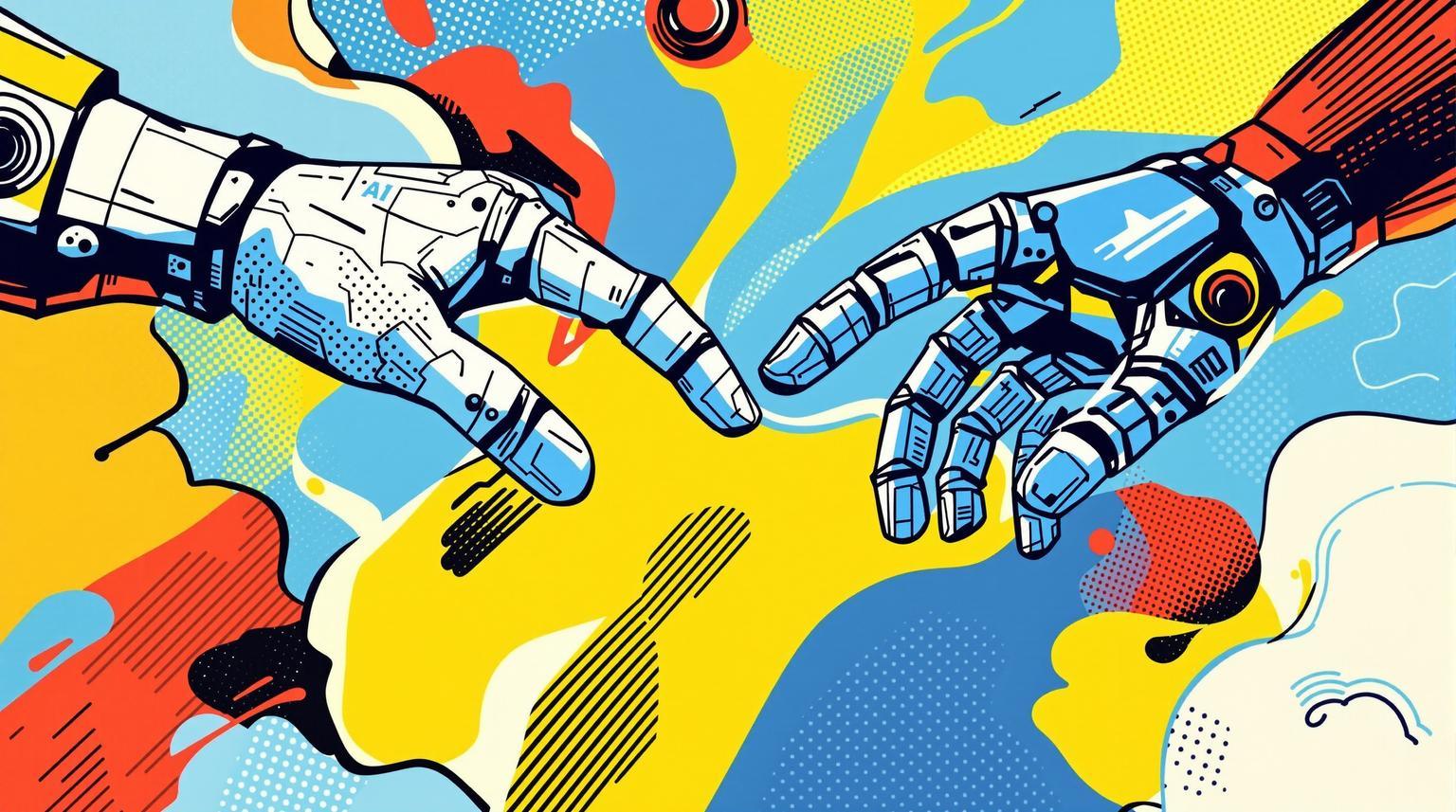

Big brands are stepping away from AI in marketing, and here’s why it matters: Consumers are increasingly skeptical of AI-generated content, finding it too polished and impersonal. Companies like Polaroid, Aerie, and Heineken are betting on human-driven campaigns to build stronger emotional connections. This shift reflects a growing preference for real, relatable content over automated perfection.
Key Points:
- Consumer Distrust: 64% of Americans feel uneasy about AI’s role in daily life, including advertising.
- AI Content Issues: Overly polished AI ads often trigger discomfort (“uncanny valley effect”).
- Brands’ Response: Polaroid, Aerie, and Heineken are rejecting AI in favor of human storytelling, real people, and genuine moments.
- Results: This approach resonates with younger audiences, like Gen Z, who value transparency and authenticity.
What You Can Do:
- Use AI for efficiency (data analysis, idea generation) but keep humans in charge of final content.
- Focus on relatable messaging and avoid overly flawless visuals.
- Be transparent about your use of AI to maintain trust.
This movement isn’t about abandoning AI entirely – it’s about finding the right balance between technology and human connection.
AI In Advertising: How It’s Harming the Marketing Industry & Which Brands Have Used It Well
How Brands Are Fighting Back Against AI
As concerns grow over the overly polished feel of AI-generated content, brands are taking a stand by doubling down on human creativity. Many companies are rolling out bold campaigns and making public commitments to emphasize the value of human touch in their marketing.
Major Brand Campaigns Against AI
Polaroid has positioned itself as a leading voice against AI in marketing. With the tagline “We are such an analog brand”, the instant camera company is leaning into its roots, celebrating the unpredictable charm of instant photography. Their campaign highlights the beauty of imperfections, directly opposing the flawless, machine-crafted aesthetic of AI-generated content.
Aerie, the intimates brand under American Eagle, has pledged to feature only real people in its advertising. This means no AI-generated models and no heavy digital edits beyond basic color adjustments. Their commitment goes hand-in-hand with their long-standing body positivity message, but now explicitly addresses concerns around AI. On social media, Aerie shares behind-the-scenes glimpses of photo shoots with diverse models, underscoring the real human effort behind every campaign.
Heineken has taken a slightly different angle, focusing on the irreplaceable value of human connection. Their ads showcase real friendships, genuine laughter, and unscripted moments – things they argue AI simply cannot replicate. The beer brand is transparent in its messaging, making it clear that their campaigns feature real people in authentic situations.
These brands aren’t just making quiet decisions behind the scenes. They’re turning their anti-AI stance into a marketing strategy. From billboards to Instagram posts, they’re loudly declaring their “human-first” approach. Some companies are even introducing “AI-free” badges on their marketing materials, much like how food brands use “organic” or “non-GMO” labels.
The overarching message is clear: imperfection and authenticity matter more than polished perfection. By showcasing real emotions, candid moments, and human stories, these brands are setting themselves apart in a marketplace increasingly influenced by AI. Their campaigns tap into a growing consumer skepticism, fueling a broader movement against artificial content.
Consumer Distrust of AI Content
The data backs up these strategies. A recent Pew Research Center study found that 64% of Americans feel more concerned than excited about AI’s expanding role in daily life, including its use in advertising.
Research also shows a clear gap in how audiences perceive human versus AI-generated ads. Marketing analytics firms have found that AI-driven advertisements are 12% more likely to trigger distrust among viewers. Subtle inconsistencies in AI-generated content – like unnatural facial expressions, awkward lighting, or a lack of storytelling flow – can leave consumers feeling uneasy, even if they can’t pinpoint exactly why.
This skepticism is especially strong among younger audiences. Gen Z, in particular, has grown up surrounded by digital manipulation and can quickly spot content that feels overly artificial. They value brands that embrace an “unpolished, unpretentious” style and are quick to call out anything that seems fake or inauthentic on social media.
While AI-generated content may offer brands cost savings and efficiency in the short term, it risks eroding trust and emotional connection with their audiences over time. For many consumers, authenticity remains non-negotiable.
The Real Reasons Brands Are Ditching AI in Marketing
Why are some major brands stepping away from AI? It boils down to three critical challenges they face with AI-generated content in today’s marketing world.
When Flawless Content Feels Off
The problem with AI-generated marketing isn’t that it looks bad – it’s that it can look too perfect. Ads where every detail is flawlessly crafted – whether it’s the lighting or the unnaturally smooth textures – can trigger what’s known as the “uncanny valley.” This is the uneasy feeling people get when something looks almost human but doesn’t quite feel right.
Our brains are wired to pick up on these subtle inconsistencies. According to marketing research firm DAIVID, AI-generated ads are 3% less likely to spark strong positive emotions compared to those created by humans [1]. Small flaws, like awkward movements or slight asymmetry in AI-generated visuals, can make viewers feel uneasy, even if they can’t pinpoint why.
The Power of Going Human vs. AI in Marketing
Beyond visual concerns, brands are leaning into human creativity as a way to stand out. In a sea of AI-driven content, choosing to focus on human-made work sends a bold message. It’s not just about embracing imperfections – it’s about showcasing the unique touch that only people can bring. This approach reflects a brand’s dedication to quality and care, qualities that resonate deeply with consumers.
What’s more, this decision often becomes a story in itself. Media outlets are quick to highlight brands that reject the AI trend, not just for the products they’re promoting but for the statement they’re making. As more companies rely on automation, those that prioritize human creativity naturally grab attention, carving out a distinct identity in an increasingly crowded space.
Trusting the Human Touch
Perhaps the most compelling reason to ditch AI is trust. In marketing, trust is everything. Research from NielsenIQ reveals that AI-generated ads are 12% more likely to make viewers feel distrustful compared to human-created content [2]. Many consumers associate artificial content with manipulation or dishonesty, which makes it harder to build genuine emotional connections.
On the other hand, content created by people signals authenticity and care – qualities especially valued by younger audiences like Gen Z. This generation is highly skilled at spotting inauthentic messaging and tends to favor brands that communicate openly and honestly. Transparency about the creative process, such as openly stating a preference for human storytelling over AI, can further strengthen this trust. Even small imperfections in human-made content can feel more relatable, while overly polished work often has the opposite effect.
Ultimately, choosing a human-first approach isn’t just a creative decision – it’s a strategic move to build lasting relationships with customers by prioritizing authenticity and real connection.
Real Examples: Brands That Said No to AI in Marketing
There are several instances where brands have chosen to reject AI in marketing, using this decision as a way to connect more deeply with their audiences. By prioritizing a human-first approach, these companies have not only strengthened customer trust but also set themselves apart in a crowded market.
Polaroid: Embracing Analog Charm

Polaroid has proudly leaned into its analog roots, standing against the tide of AI-generated imagery. In one of its recent campaigns, the brand declared, “We are such an analog brand”, celebrating the spontaneous and imperfect nature of instant photography. Unlike polished digital content, Polaroid’s focus is on capturing authentic, unfiltered moments on film – something no algorithm can replicate. This approach has struck a chord with consumers who appreciate the raw beauty of real-life experiences.
Aerie: Real People, Real Stories
Aerie, a lingerie brand under American Eagle, has built its identity around authenticity by pledging to use only real people in its campaigns. The brand showcases unretouched photos of customers and models, celebrating diverse body types and appearances. On social media, Aerie gives followers a behind-the-scenes look at photo shoots, emphasizing the genuine human effort behind every campaign. This transparency has resonated with consumers who value honest and relatable portrayals of beauty.
More Brands Joining the Movement
This shift toward rejecting AI in marketing isn’t limited to a few companies – it’s part of a broader trend. For instance, Cadbury 5 Star in India launched its “Make AI Mediocre Again” campaign, poking fun at the overuse of AI in advertising. Similarly, Heineken has rolled out campaigns that celebrate human connection, featuring candid moments and spontaneous interactions that highlight the joy of real social experiences.
These brands share a common message: they are unapologetically choosing authenticity over artificiality. By doing so, they’ve turned what could be seen as a limitation into a powerful way to stand out and connect with their audiences.
sbb-itb-16c0a3c
What Marketers Need to Do Now
As the focus shifts toward prioritizing authenticity over perfection, marketers need to strike a balance between leveraging technology and maintaining a genuine connection with their audience. Efficiency and authenticity can coexist – if approached thoughtfully.
Using AI in Marketing Without Losing the Human Touch
AI can be a powerful tool for tasks like analytics, audience segmentation, and brainstorming. But when it comes to your brand’s voice, the human touch is irreplaceable. Let AI handle the groundwork, such as research or data collection, while humans refine the final product to ensure it aligns with your brand’s unique identity.
For example, AI can help generate ideas or provide insights, but the final content should always reflect the personality and values that make your brand stand out. By having humans review and polish AI-generated content, you can ensure that your messaging feels relatable and authentic to your audience.
This thoughtful integration of AI allows you to enjoy the benefits of technology without sacrificing the personal connection your customers expect.
Specific Steps for Human-First Marketing
To make your marketing feel more genuine, start by auditing your existing materials. Look for overly polished visuals, robotic-sounding copy, or campaigns that lack emotional depth. These can create a disconnect with your audience.
Here are a few actionable ways to embrace a human-first approach:
- Swap stock photos for real images: Use photos of your team or customers to create a stronger emotional bond.
- Be transparent about AI usage: Establish a clear policy on how your brand uses AI, emphasizing your commitment to human oversight and creativity.
- Embrace imperfection: Content that feels raw and spontaneous often resonates more deeply than overly produced pieces. Unfiltered moments can build trust and relatability.
- Listen to your audience: Regularly gather feedback to fine-tune your approach and ensure you’re meeting their expectations.
- Train your team: Help your creators recognize and avoid content that feels almost human but slightly off, which can alienate your audience.
Costs and Risks of Rejecting AI
While human-first strategies can enhance your brand’s authenticity, they come with challenges. These include higher costs, longer production times, and scalability issues, especially as competitors increasingly rely on faster, cheaper AI solutions.
Here’s what to keep in mind:
- Budget implications: A human-driven approach may require more resources, such as hiring additional creators or investing in better equipment.
- Scalability concerns: As AI enables competitors to scale quickly, you’ll need to allocate resources wisely to stay competitive.
- Transparency matters: If customers discover you’re using AI while promoting a human-only image, it could damage your credibility. Consistency across all channels is critical.
- Opportunity costs: Rejecting AI entirely could mean missing out on efficiency gains. Instead, use AI strategically to enhance – not replace – human effort.
Ultimately, the extra investment in human-created content should translate into tangible benefits, like stronger customer loyalty, higher conversion rates, or a more positive brand reputation. By thoughtfully combining technology and human creativity, you can achieve the best of both worlds.
What Comes Next for AI and Marketing
The current pushback against AI in marketing isn’t signaling its demise – it’s more about redefining the balance. The future lies in brands learning to use AI thoughtfully, while keeping human creativity at the heart of their messaging.
Combining Human Creativity with AI Tools
Marketing seems to be heading toward hybrid models, where AI takes on tasks like data analysis and concept generation, while humans shape the final customer experience. This setup allows brands to leverage AI’s speed and efficiency without losing the trust that comes from human touch.
Here’s how it works: AI sifts through massive amounts of data and generates a variety of ideas quickly. Then, human creators step in, adding the personality, emotion, and relatability that resonate with audiences.
A critical piece of this puzzle is transparency. Brands that openly share how and where they use AI – and where human judgment comes into play – are more likely to maintain trust with their audience while reaping AI’s advantages. This approach paves the way for a future where human insight and AI capabilities work hand in hand.
Why AI Content Still Feels Wrong
Even with these hybrid strategies, AI-generated content often misses the mark. While it may look polished and technically accurate, it lacks the imperfections and emotional depth that make communication feel truly human.
This creates what’s known as the “uncanny valley” effect – content that feels almost human but not quite, which can make people uneasy. Why? Because audiences don’t just want content that seems human; they want to know a real person, with genuine emotions and experiences, had a hand in creating it. This is why brands like Polaroid and Aerie have thrived by distancing themselves from AI and leaning into human authenticity.
In marketing, the emotional connection is everything. AI might be able to mimic the structure of persuasive content, but it struggles to capture the passion, humor, or vulnerability that builds trust and fosters real relationships.
Related Trends: Ethics and Privacy Concerns
Beyond authenticity, brands are also grappling with growing concerns around ethical AI use and data privacy. The rise of the creator economy has amplified these discussions. With so many people earning a living through content creation, there’s increasing awareness of how AI might threaten human creators. Brands that actively support human creativity can tap into this sentiment, earning loyalty from creators and their audiences alike.
Privacy concerns add another layer of complexity. Consumers are more aware than ever that AI-driven marketing often relies on extensive data collection and behavioral tracking. Brands that lean on human-centered strategies – like gathering direct customer feedback instead of mining personal data – can stand out by respecting privacy and fostering trust.
This shift toward ethical marketing is likely to gain momentum, especially as younger consumers, who are particularly attuned to these issues, gain more influence in the marketplace. Brands that establish clear, ethical guidelines for AI use now will be better equipped to navigate this changing landscape – and may even gain a competitive edge.
Regulations are also evolving quickly. Governments are introducing stricter rules around AI transparency and data use. Brands that already prioritize human-first approaches will have an easier time adapting to these changes without major disruptions to their operations.
Conclusion: Choosing Your Brand’s AI Strategy
The marketing world is at a turning point. On one hand, AI offers unmatched efficiency and scalability. On the other, brands like Polaroid, Aerie, and Heineken show that steering clear of AI can be just as impactful. The real challenge isn’t about deciding if AI is “good” or “bad” – it’s about striking the right balance that works for your brand and audience.
To start, focus on your customers’ expectations and your brand’s core identity. For brands that prioritize being genuine and relatable, the risks of an AI backlash can outweigh the benefits. On the flip side, efficiency-driven companies may find those risks less pressing. The key is ensuring your AI strategy aligns with your brand’s values, creating a foundation to tackle practical hurdles.
Cost is another crucial factor. Opting out of AI entirely means higher production expenses and slower turnaround times. You’ll need to rely on human photographers, writers, and designers while competitors might speed ahead with AI tools. However, those competitors also risk alienating their audience if trust issues arise.
A middle-ground approach could provide the best solution. Use AI for tasks like data analysis or brainstorming ideas, but keep humans in charge of the final creative touches. This way, you can enjoy the efficiency AI brings while preserving the human touch that fosters authentic connections.
Perhaps the smartest move is to adopt AI selectively and be fully transparent about how it’s used. The brands thriving in this space aren’t taking random stabs at an anti-AI stance – they’re making deliberate choices based on their audience, values, and the competitive landscape. Your AI strategy should follow that same thoughtful path, whether you’re embracing the trend or charting your own course.
FAQs
Why are major brands like Polaroid, Aerie, and Heineken moving away from AI in their marketing?
Major brands like Polaroid, Aerie, and Heineken are taking a step back from using AI in their marketing efforts. Why? To highlight genuineness and build trust with consumers who are growing wary of content that feels overly polished or artificial. There’s a growing sentiment that AI-driven campaigns can sometimes come across as detached, even giving rise to what some refer to as “the ick factor.”
Take Aerie, for instance. The brand has made a promise to showcase real people in their advertisements, doubling down on their dedication to natural, unedited imagery. Polaroid, on the other hand, embraces its analog heritage by focusing on human creativity rather than automated tools. By steering clear of AI, these companies are carving out a space as relatable and down-to-earth, especially among younger audiences who appreciate raw, unfiltered content.
How can brands find the right balance between AI and human creativity in marketing?
Brands can effectively combine AI’s capabilities with human ingenuity by letting AI handle efficiency-driven tasks while reserving creativity and strategy for people. AI is particularly good at automating repetitive processes, analyzing large datasets, and tailoring content for different audiences. This allows humans to dedicate their energy to storytelling, fostering emotional connections, and ensuring the brand’s voice remains distinct.
The key is to use AI as a supportive tool rather than a replacement for human judgment. For instance, AI can deliver valuable insights and suggestions, but the ultimate creative decisions should remain in human hands to ensure content feels genuine and relatable. By blending AI’s efficiency with the human ability to connect and inspire, brands can achieve the perfect balance that builds trust and resonates deeply with their audiences.
What are the risks and rewards for brands choosing a human-first marketing approach over AI-driven strategies?
Adopting a human-first marketing approach can open doors to meaningful connections but isn’t without its hurdles.
The Upside: Brands can cultivate deeper trust and emotional bonds with their audience. Campaigns driven by a human touch often come across as more genuine and relatable. Plus, in a marketplace increasingly saturated with AI-driven strategies, this approach can help a brand stand out – especially among younger consumers who tend to appreciate content that feels raw and unpolished.
The Downside: On the flip side, avoiding AI entirely could hinder scalability and efficiency, particularly as competitors embrace AI to streamline their operations. There’s also the danger of being seen as insincere if an anti-AI stance comes across as performative – especially if AI is still being used behind the scenes. Striking the right balance between staying authentic and maintaining operational efficiency is crucial for this strategy to succeed.